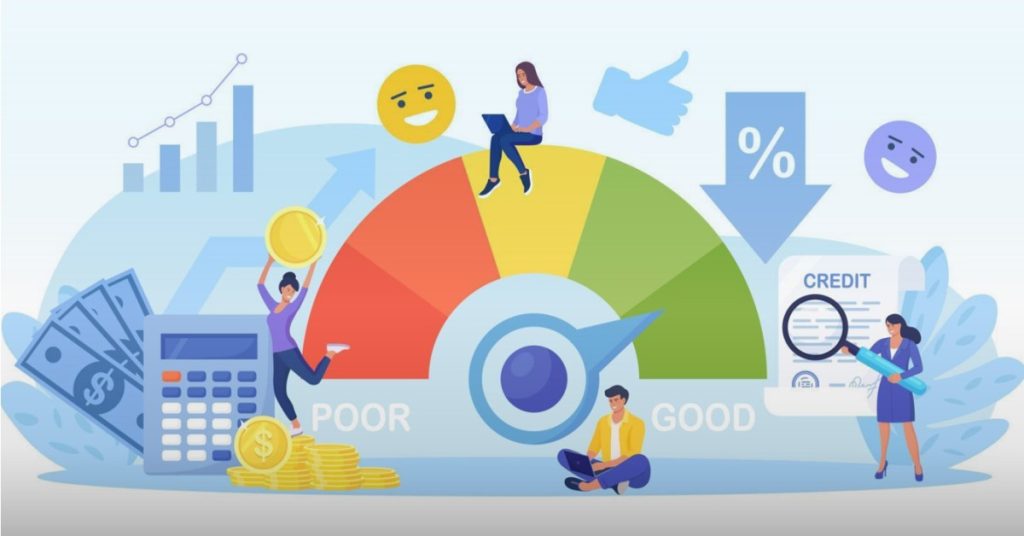
A low credit score can cost you thousands. Higher interest rates on loans, denied rental applications, even higher insurance premiums.
But you do not need years to see improvement. With the right moves, you can boost your score in as little as 30 days.
This guide gives you a day‑by‑day plan. Follow it, and you will see measurable results by the end of the month.
What You Will Learn
- What factors actually affect your credit score (FICO and VantageScore)
- The fastest ways to increase your score in 30 days
- How to dispute errors on your credit reports
- Why paying down credit card balances is the #1 lever
- What not to do (avoid these common mistakes)
First: What Determines Your Credit Score?
Both FICO and VantageScore use similar factors. FICO is used by 90% of top lenders.
| Factor | Weight (FICO) | What It Means |
|---|---|---|
| Payment history | 35% | Paying on time is the most important thing. |
| Credit utilization | 30% | How much of your available credit you use. |
| Length of credit history | 15% | Older accounts help your score. |
| Credit mix | 10% | Having both revolving (credit cards) and installment (loans) accounts. |
| New credit inquiries | 10% | Too many hard inquiries in a short time hurts your score. |
To improve your score fast, focus on payment history and credit utilization – together they make up 65% of your score.
A credit utilization ratio of above 30% (using more than 30% of your available credit) will start lowering your score source: Credit Utilization Ratio.
Your 30‑Day Action Plan
Week 1: Get Your Reports and Fix Errors
| Day | Action |
|---|---|
| 1 | Go to AnnualCreditReport.com (the only site federally authorised to give free weekly credit reports). Request reports from Equifax, Experian, and TransUnion. |
| 2‑3 | Review each report line by line. Look for accounts that are not yours, late payments you paid on time, incorrect balances, or duplicate accounts. |
| 4‑6 | Dispute any errors online (each bureau has a dispute portal). Attach supporting documents. The bureau must investigate within 30 days. |
| 7 | If you find no errors, skip to Week 2. |
Disputing errors is the fastest way to increase your score because you are removing negative information entirely – not just reducing its impact.
The Federal Trade Commission (FTC) reports that one in five consumers has an error on at least one credit report source: FTC Study on Credit Report Accuracy.
Week 2: Pay Down Credit Card Balances
Your credit utilization ratio is calculated as: (Total credit card balances ÷ Total credit limits) × 100
| Current Utilization | Target Utilization | Score Impact |
|---|---|---|
| 80% | 30% | Significant improvement |
| 30% | 10% | Moderate additional gain |
| 10% | 1‑5% | Small extra gain (but excellent for top scores) |
Action steps:
- Pay as much as you can toward credit card balances. Focus on cards with the highest utilization first.
- If you cannot pay off a card, at least bring it below 30% of its limit.
- Consider making multiple payments per month to keep reported balances low. Most issuers report your balance once a month – typically your statement balance.
A lower utilization can boost your score in as little as 30 days because creditors report updated balances monthly.
Week 3: Ask for Credit Limit Increases
Increasing your credit limit without adding new debt lowers your utilization.
| Action | How To Do It |
|---|---|
| Request a credit limit increase | Use your online account or call the number on the back of your card. Many issuers allow a soft pull (does not hurt your score) for limit increases. Ask before you apply. |
| Add a secured credit card | If you cannot get a limit increase, consider opening a secured card (you deposit cash as collateral). Use it for small purchases and pay in full each month. |
Be careful: Some issuers do a hard inquiry for limit increase requests, which temporarily dings your score. Ask whether they use a soft or hard pull before proceeding.
Week 4: Become an Authorized User
Ask a family member or close friend with good credit (long history, low utilization, no late payments) to add you as an authorized user on one of their old credit cards.
| Benefit | Risk |
|---|---|
| You inherit the entire history of that account (if the issuer reports authorized users to credit bureaus – most do). | If the primary user misses a payment or runs up a high balance, your score can drop. |
| This can add years of positive payment history instantly. | Only do this with someone you trust completely. |
You do not even need to use the card. Simply being added can boost your score significantly within 30 days.
What NOT to Do (Avoid These Mistakes)
| Mistake | Why It Hurts | Better Approach |
|---|---|---|
| Closing old credit cards | Removes credit history and reduces total available credit, increasing utilization. | Keep old cards open. Use them once a year for a small purchase to keep them active. |
| Applying for multiple new cards | Each application triggers a hard inquiry, which lowers your score temporarily. | Limit new applications to 1‑2 per year. |
| Paying collections without negotiation | Paying a collection does not remove it from your report unless you negotiate a “pay‑for‑delete” agreement. | First ask the collection agency to delete the account in exchange for payment – get it in writing. |
| Maxing out a card even if you pay it off monthly | The reported balance (usually statement balance) may still be high. | Pay down the balance before the statement closing date, not after. |
How Long Will It Take?
| Action | Expected Timeline for Score Improvement |
|---|---|
| Dispute errors | 30‑45 days (after investigation) |
| Pay down utilization | 30‑60 days (after creditors report new balances) |
| Become an authorized user | 30‑60 days (after the account appears on your report) |
| Ask for credit limit increase | Immediate to 30 days |
| Build new positive payment history | 6‑12 months for significant gains |
For the fastest 30‑day improvement, focus on disputing errors, lowering utilization, and authorized user status.
Common Questions About Credit Scores
Q: Will checking my own credit score hurt it?
No. Checking your own credit is a soft inquiry and does not affect your score. Use free services like Credit Karma, Experian Free Credit Report, or your credit card issuer’s tool.
Q: How much can my score increase in 30 days?
It varies. Someone with high utilization (90%) who pays down to 10% could see a jump of 50‑100 points. Someone with a clean report and no errors may see 20‑40 points.
Q: Should I pay a credit repair company?
No. You can dispute errors yourself for free. Credit repair companies charge hundreds of dollars for what you can do in an afternoon.
Q: Do medical bills affect credit scores?
Yes, if they go to collections. Paid medical collections are treated more leniently in newer FICO models (9 and 10), but unpaid ones hurt.
My Take (Finance Mojito Style)
Credit score impacts vary by individual. This guide is for educational purposes only.
Your credit score is not a judgement of your character. It is a risk tool for lenders. And with a focused 30‑day plan, you can change that risk profile quickly.
Start today. Pull your reports. Find one error or one balance to pay down. Future you will thank you.
Here is to your financial clarity. One sip at a time. 🍸
Your 30‑Day Action Plan (Summary)
| Week | Focus |
|---|---|
| 1 | Get your credit reports. Dispute errors. |
| 2 | Pay down credit card balances to under 30% (ideally under 10%). |
| 3 | Ask for credit limit increases. Consider a secured card. |
| 4 | Become an authorized user on a trusted person’s good account. |
Related Guides
- How to Build a 6‑Month Emergency Fund – A financial safety net helps you avoid relying on credit.
- The Psychology of Debt – Why We Overuse Credit Cards – Understanding your behaviour around credit.
- Best Budget Apps Compared (YNAB, Mint, EveryDollar) – Track spending to keep credit utilization low.
Before You Go
Improving your credit score is not about being perfect. It is about understanding the rules and playing the game wisely. Follow this 30‑day plan, and you will see real results.
Next up: Capital Gains Tax on Stocks: A Beginner’s Guide

Discover more from Finance Mojito
Subscribe to get the latest posts sent to your email.